
Humidity affects roofing materials gradually, often through repeated cycles of moisture absorption, drying, condensation, and temperature change. For homes in Castleton On Hudson, NY, these effects can become more noticeable because roofs must handle humid summers, wet weather, snow, ice, and frequent seasonal transitions.
A roof does not need to be visibly leaking for humidity to cause problems. Moisture can move through attic air, collect beneath roof coverings, encourage biological growth, and weaken materials over time.
How does humidity affect a roof?
High humidity increases the amount of water vapor in the air. If warm, moist air reaches a cooler roof surface or attic component, the vapor can condense into liquid water. Repeated condensation may dampen roof sheathing, insulation, underlayment, fasteners, and framing.
The most common effects include:
- Damp or deteriorating roof decking
- Mold-like growth on wood surfaces
- Rust or corrosion on metal components
- Softening, swelling, or warping of wood
- Reduced effectiveness of insulation
- Blistering or premature aging of some roofing materials
- Musty odors inside the attic or upper floors
Humidity itself is not usually a single-event cause of roof failure. The greater concern is persistent moisture that does not dry properly.
Why are attics especially vulnerable?
Attics are affected by both outdoor weather and indoor household moisture. Warm air from kitchens, bathrooms, laundry areas, and living spaces can rise into the attic through gaps around light fixtures, plumbing penetrations, attic hatches, and ductwork.
During cold weather, that warm air may contact cold roof sheathing. Condensation can then form on the underside of the roof deck, even when the roof covering above is intact.
A humid attic may show signs such as:
- Dark staining on roof sheathing
- Damp insulation
- Rusted nail tips or metal fasteners
- Peeling paint near attic access areas
- Frost on roof boards during very cold periods
- A persistent earthy or musty smell
Frost can be especially misleading. It may appear dry, but when it melts, the resulting moisture can soak wood and insulation.
Does humidity damage asphalt shingles?
Humidity can contribute to shingle aging, but it is rarely the only factor. Asphalt shingles are also affected by ultraviolet exposure, wind, temperature swings, ice, installation quality, and the condition of the roof deck.
High moisture levels may encourage algae or moss growth where the roof remains shaded and damp. Growth is more likely on roof areas that receive limited sunlight or are covered by overhanging vegetation. Moss can hold moisture against shingle surfaces and may disturb the edges of shingles as it expands.
Humidity can also worsen the effects of poor attic ventilation. If heat and moisture remain trapped beneath the shingles, the roof system may experience greater stress during hot weather and slower drying after rain or snow.
Dark streaks on shingles are not always a structural problem. They may be caused by surface algae, while raised shingle edges, soft decking, or recurring dampness suggest a more serious moisture issue.
What happens to wood roof decking?
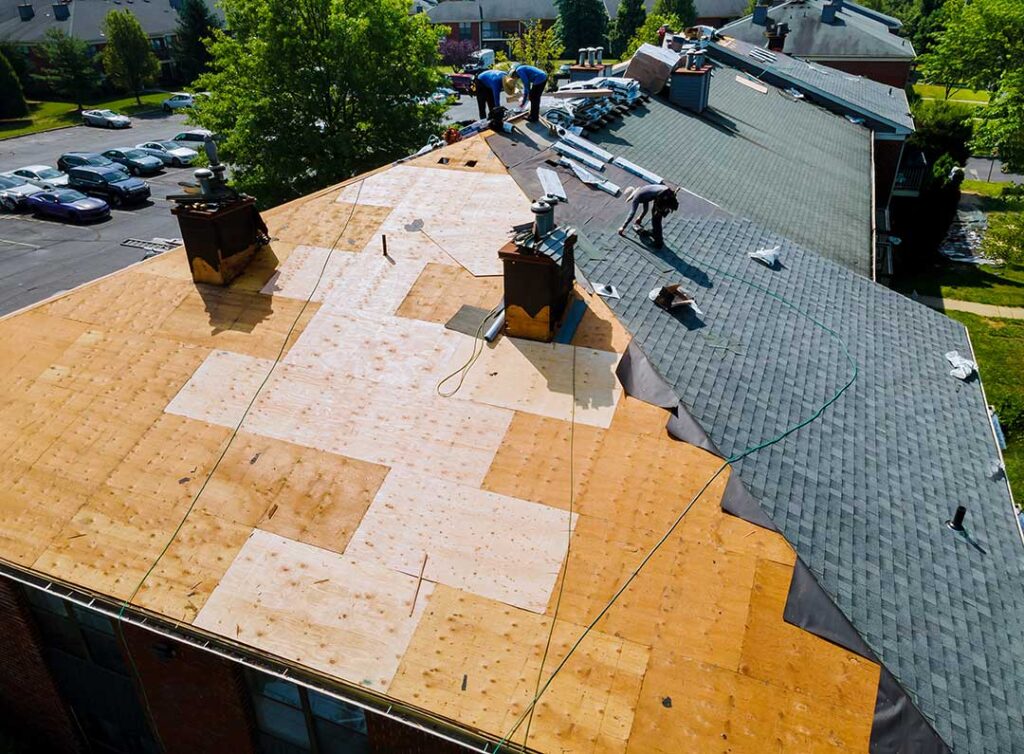
Roof decking, often made from plywood or oriented strand board, can absorb moisture from attic condensation or roof leaks. Short-term dampness may dry without lasting damage, but repeated wetting and drying can cause the material to swell, weaken, or lose its ability to hold fasteners securely.
Signs of moisture-damaged decking include:
- Spongy areas underfoot in the attic
- Visible sagging between rafters or trusses
- Delamination or layers separating in plywood
- Swollen edges between panels
- Dark water stains or fungal growth
- Nails that appear loose or pushed upward
A roof can look acceptable from the outside while the decking underneath has begun to deteriorate. This is one reason attic observations can provide useful information about roof condition.
Can humidity cause roof leaks?
Humidity alone does not usually create a hole in a roof. However, it can contribute to conditions that eventually produce leaks.
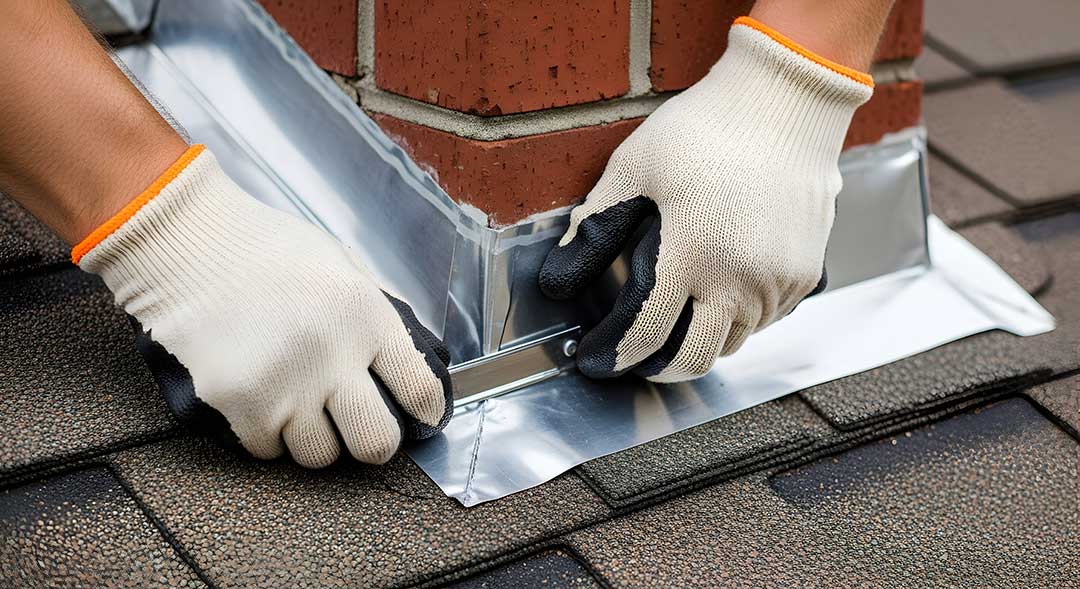
Persistent moisture may corrode flashing fasteners, degrade wood around roof penetrations, and weaken decking. Condensation can also be mistaken for a roof leak because both may leave wet spots or stains on the ceiling.
The location of a ceiling stain does not always identify the source. Water can travel along rafters, roof decking, insulation, or framing before becoming visible indoors. A stain near a bathroom, chimney, vent, or attic hatch may result from condensation rather than rain entering through the roof.
A useful distinction is timing:
- Moisture appearing after rain may indicate an exterior leak.
- Moisture appearing during cold weather without precipitation may suggest condensation.
- Dampness that returns during humid periods may point to ventilation or air-sealing problems.
- Wet insulation near a pipe or duct may be related to household moisture or duct condensation.
These patterns are clues, not definitive diagnoses.
How do seasonal changes affect roofing materials?
Seasonal movement is a major part of the moisture problem. During warmer months, roofing materials and wood components expand as temperatures rise. In colder months, they contract. Moisture can increase the amount of movement and make small weaknesses more consequential.
In this region, a roof may experience:
- Humid summer air
- Heavy rain and wind-driven moisture
- Rapid temperature changes in spring and fall
- Snow accumulation
- Ice formation near roof edges
- Freeze-thaw cycles that expose weak points
A damp roof assembly may also take longer to dry after rain or melting snow. If water remains trapped beneath roofing materials, the risk of decay and biological growth increases.
Does ventilation solve humidity problems?
Proper ventilation can help remove heat and moisture from an attic, but ventilation is not a substitute for controlling air leaks from the living space.
An effective attic moisture strategy generally includes two parts:
- Air sealing: Limiting warm indoor air from entering the attic through gaps and penetrations.
- Ventilation: Allowing outdoor air to move through the attic so heat and residual moisture can escape.
Ventilation openings should be arranged so air can enter near the lower roof edges and exit near the upper portion of the roof. Blocking these pathways with insulation, stored items, or debris can reduce their effectiveness.
More ventilation is not automatically better. If outdoor air enters through poorly designed openings, or if air leaks from the home remain unsealed, moisture problems may continue.
What can residents check safely?
A visual inspection from the ground can identify some warning signs without climbing onto the roof. Look for missing or lifted shingles, dark roof areas that remain damp, moss growth, sagging roof lines, damaged flashing, or overflowing gutters.
Inside the home, check for:
- Musty attic odors
- Ceiling stains
- Peeling paint near upper walls
- Damp insulation
- Condensation on attic windows or vents
- Rust on exposed fasteners
- Bathroom or kitchen exhaust that terminates in the attic
Avoid walking on a roof when surfaces are wet, icy, steep, or visibly damaged. Attic inspections should also be postponed if the space is extremely hot, poorly lit, or difficult to access safely.
Which humidity problems need prompt attention?
Moisture deserves prompt attention when there is active dripping, sagging decking, widespread mold-like growth, deteriorated structural wood, wet electrical components, or insulation saturated with water. These conditions can affect both the roof system and indoor air quality.
A small isolated stain may not indicate an emergency, but recurring dampness should not be ignored. The longer wood and insulation remain wet, the greater the chance that drying will not restore their original condition.
For area households, the most useful approach is to treat humidity as part of the entire roof system rather than as a problem limited to shingles. Roof coverings, flashing, attic air sealing, ventilation, insulation, gutters, and indoor exhaust all influence how well the assembly manages moisture.
