
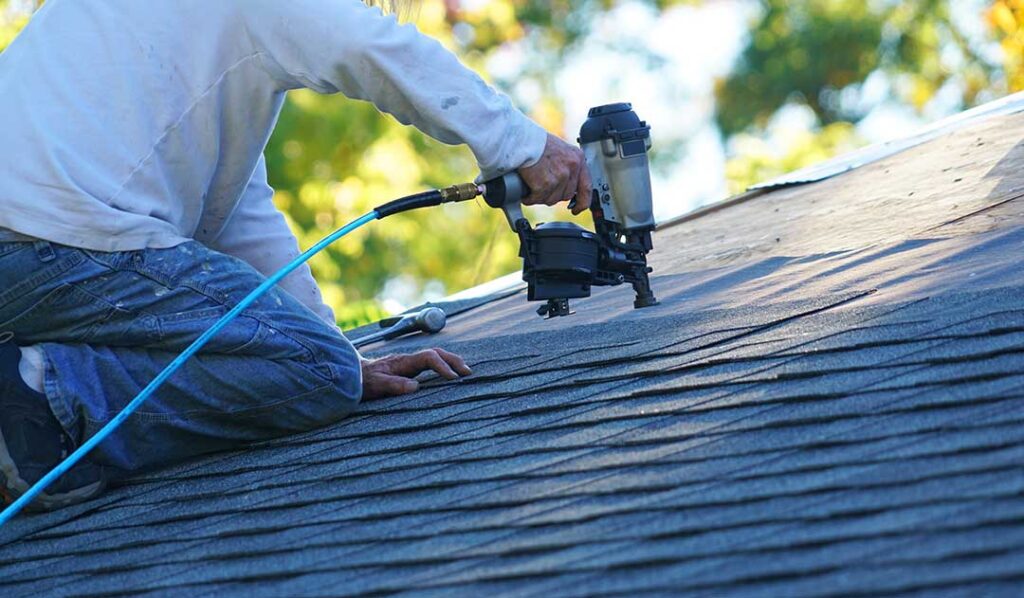
Roof decking is the structural layer beneath the shingles or other roof covering. It creates the surface that supports the roofing materials, transfers some roof loads to the framing, and helps protect the interior of a home from weather. Although it is hidden from view, its condition can determine whether a roof covering performs properly.
In Castleton On Hudson, NY, roof decking may be exposed to repeated cycles of snow, rain, ice, wind, and changing temperatures. Understanding what the decking does can help residents recognize warning signs, interpret inspection findings, and distinguish a surface-level roofing problem from a structural concern.
What is roof decking?
Roof decking, also called roof sheathing, is the layer installed over the roof rafters or trusses. Roofing underlayment and shingles are placed above it. From inside an attic, decking may appear as sheets of wood forming the underside of the roof.
Most residential decking consists of:
- Plywood
- Oriented strand board, commonly called OSB
- Boards installed individually on older homes
- Specialized panels used in certain roof designs or repairs
The decking is not the same as the rafters. Rafters and trusses form the roof’s structural framework, while decking spans across that framework to create a continuous surface for the roof covering.
Why does roof decking matter?
Sound decking provides a stable base for roofing materials and helps distribute weight across the roof framing. If the decking is weak, wet, warped, or improperly fastened, shingles may not lie flat or remain securely attached.
Roof decking also affects:
- The roof’s ability to resist wind forces
- How evenly shingles are supported
- Whether fasteners hold properly
- The risk of leaks around damaged areas
- The safety of anyone walking on the roof
- The long-term performance of replacement roofing materials
A roof can have relatively new shingles and still have a decking problem. Shingles cover the decking, but they do not correct deterioration beneath it.
What damages roof decking?
Moisture is the most common cause of decking deterioration. Water may enter through damaged shingles, failed flashing, open seams, deteriorated pipe penetrations, or ice-related conditions along the lower roof edge.
Other causes include:
- Long-term roof leaks
- Condensation caused by inadequate attic ventilation
- Snow and ice remaining on the roof for extended periods
- Previous repairs that left openings or improperly sealed fasteners
- High indoor humidity entering a cold attic
- Falling branches or other impact
- Insect or fungal damage in persistently damp wood
- Structural movement or excessive roof loading
In a cold-weather climate, moisture can move between liquid water and ice. That repeated expansion and contraction may enlarge small openings and make existing damage worse. Roof edges, valleys, areas around chimneys, and penetrations are often more vulnerable because water flow and flashing details are concentrated there.
How can homeowners recognize damaged decking?
Many decking problems cannot be confirmed from the ground. Still, several signs may justify closer inspection:
- A ceiling stain or damp attic insulation
- Sagging areas visible from the attic
- A musty smell beneath the roof
- Dark discoloration, mold-like growth, or water marks on wood
- Shingles that appear wavy, uneven, or depressed
- Nails or fasteners that no longer hold firmly
- Soft spots noticed during roof work
- Recurring leaks after a roof covering has been repaired
A ceiling stain does not always sit directly below the leak. Water can travel along rafters, trusses, insulation, or the top side of the decking before entering the living space. For that reason, the visible stain may be several feet away from the actual entry point.
Can roof decking be inspected from inside the attic?
Yes. An attic inspection can reveal conditions that are difficult to see from above. Looking from the attic may show water marks, darkened wood, rusted fasteners, daylight entering through openings, or areas where the decking has begun to sag.
However, attic access does not show every part of the roof. Insulation can conceal damage, and some leaks occur only during wind-driven rain or melting snow. Walking on roof decking from the attic side is also unsafe unless the framing and access route are suitable.
A roof surface inspection can identify soft or unstable areas, but stepping on questionable decking creates a fall hazard. Damaged material may fail without much visible warning.
When does roof decking need to be replaced?
Replacement is generally necessary when the decking has lost enough strength that it cannot reliably support the roof covering and fasteners. Localized replacement may be appropriate when damage is limited to a few panels or boards. Broader replacement may be needed when moisture has affected a large section or when the existing material is extensively warped, delaminated, or deteriorated.
Common reasons for replacing decking include:
- Soft or spongy wood
- Delamination of plywood or OSB layers
- Severe rot or fungal deterioration
- Large areas of sagging
- Broken boards or panels
- Fasteners that pull out easily
- Openings that cannot be securely repaired
- Decking that does not provide adequate support for new roofing materials
Not every discoloration requires removal. Old water staining may remain after the source of moisture has been corrected, especially if the wood is dry, firm, and structurally sound. The key issue is not appearance alone but whether the material remains strong and suitable for its purpose.
Is roof decking included in a roof replacement?
It may be, but the answer depends on the condition of the existing decking. A roof replacement typically involves removing the old roof covering, inspecting the exposed decking, and determining whether any areas require repair.
The amount of decking damage cannot always be known before removal because shingles, underlayment, and flashing conceal the surface. A written scope of work should explain how damaged decking will be identified and how replacement areas will be handled.
Homeowners may want clear answers to these questions:
- What type and thickness of replacement panel will be used?
- Will damaged boards be replaced individually or with larger panels?
- How will the edges of new panels be supported?
- What happens if more damage is discovered after removal?
- Will attic moisture or ventilation problems also be addressed?
These questions are useful because replacing the visible roof covering without correcting a continuing moisture source can allow new decking damage to develop.
How does ventilation affect roof decking?
Proper attic ventilation helps manage heat and moisture beneath the roof. It does not dry out severely soaked decking or compensate for an active roof leak, but it can reduce condensation under the right conditions.
Warm indoor air that reaches a cold attic may condense on roof decking, particularly during winter. Signs of a moisture-control problem can include widespread frost, damp insulation, rusty fasteners, peeling paint near attic areas, or similar discoloration across large portions of the roof underside.
Ventilation must work with adequate air sealing and insulation. Adding vents alone may not solve the problem if indoor air is entering through attic hatches, light fixtures, plumbing penetrations, or other openings.
What should residents do after noticing a possible decking problem?
If a leak or sagging area is noticed, document the location and timing. Note whether the issue appears after heavy rain, strong wind, or melting snow. From a safe location, check the attic for dampness or visible staining, but avoid stepping between framing members or touching sagging materials.
Temporary measures may help limit interior damage, such as placing a container beneath an active drip and moving belongings away from the affected area. Electrical fixtures near water should be treated as a safety concern.
Roof decking is part of the roof’s working structure, not merely a layer beneath the shingles. Regular attic awareness, prompt attention to leaks, and careful evaluation during roof work can help prevent a small moisture problem from becoming widespread structural deterioration.
