
Why Does Roof Maintenance Matter in Castleton On Hudson, NY?
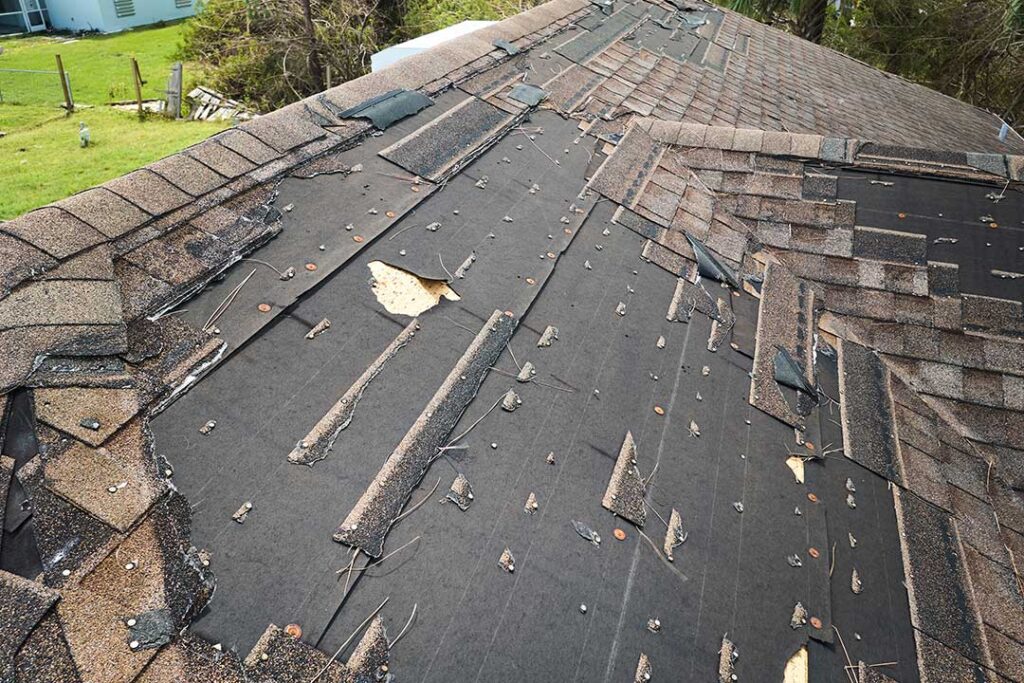
Regular roof care helps prevent costly damage, supports home comfort, and extends roof life in the local climate. Given Castleton On Hudson’s cold winters, rainy springs, hot summers, and leafy autumns, local roofs face unique stressors throughout the year. Neglecting routine upkeep can lead to leaks, water damage, mold growth, or even structural issues—especially when seasons change rapidly.
How Do Winter and Thaw Cycles Affect Roofs Locally?
Repeated freeze-thaw cycles common in winters here can widen small cracks and push shingles loose. Snow accumulation, heavy ice loads, and occasional winter storms may also block gutters, compounding drainage problems.
- Regularly check for ice dams at the edges of the roof, especially after heavy snowfall or warm spells.
- Remove snow using a roof rake (from the ground) to avoid dangerous ice buildup.
- Inspect attic ventilation and insulation: poor air flow can worsen ice damming and moisture retention.
What Should You Look for in Spring?
Spring is prime time to spot winter damage.
As snow melts, inspect for missing or shifted shingles, popped nails, or damaged flashing. Look for:
- Water stains on ceilings or attic beams (signs of leaks)
- Loose or rusted gutters and downspouts
- Shingle granules accumulating in gutters—an indicator of aging shingles
Also, walk the perimeter of the home and check for fallen branches that may have caused hidden punctures or cracks.
What Are Common Summer Roof Issues and How Can They Be Avoided?
Hot, humid summers in Castleton On Hudson can age roofing materials faster. Strong sun and heavy rains are both common.
- Inspect for curling, blistering, or discolored shingles (UV damage).
- Make sure all roof vents are open and free from debris.
- Trim tree branches hanging directly above the house; branches can scratch shingles or break off during a storm.
- Heavy summer storms may loosen flashing, ridge caps, or vent covers—check these after major weather events.
How Should You Prepare Your Roof for Autumn?
Autumn’s falling leaves and rainy stretches can clog gutters and downspouts, leading to pooling water along the edges.
- Clean gutters and downspouts thoroughly after the leaves come down.
- Watch for standing water on flat sections of the roof, which could point to drainage issues.
- Do a visual scan for moss or algae growth, especially in shaded or north-facing areas.
- Look for signs of wildlife activity (such as nests near the eaves), since small animals may seek warmth under loose shingles.

What Maintenance Steps Should Be Done Every Season?
Every season, local homeowners benefit from a brief but thorough inspection, even without obvious problems. This builds routine awareness and catches subtle changes:
- Scan the roof from the ground using binoculars for visible issues.
- Clear away any branches, debris, or accumulated materials on the roof or in gutters.
- Check attic or upper crawl spaces for musty odors or visible signs of moisture.
- Test that all vent pipes, skylights, and chimney seals remain watertight.
- Document any concerns with photos—helpful if problems worsen or for warranty reference.
Are There Local Regulations or Safety Concerns to Keep in Mind?
While residential roof work in Castleton On Hudson generally does not require special permits for inspections or minor repairs, always use safe, stable ladders and never walk on icy, snowy, or mossy roofs. If a roof is steep, high, or visibly damaged, it is always safest to remain on the ground and assess visually.
What Are the Common Missteps or Overlooked Areas?
Some issues are commonly overlooked by homeowners in the community:
- Only checking the roof from the street—rarely enough to spot rear or upper ridge problems.
- Forgetting to inspect attics or upper crawl spaces for subtle leaks.
- Leaving gutters half-cleaned, allowing blockages to persist.
- Ignoring flashing around skylights, chimneys, and wall junctions, which are more likely to leak than the field of the roof itself.
When Is Professional Help Needed?
Roof maintenance can be done safely by most homeowners with caution and proper equipment. However, if mold appears in attic spaces, rapid or multiple leaks develop, or large areas of curling, missing, or buckled shingles are found, further action may be required. Unsafe conditions, such as visible sagging, animal intrusion, or suspected asbestos materials, are instances when only a qualified professional should proceed.
