
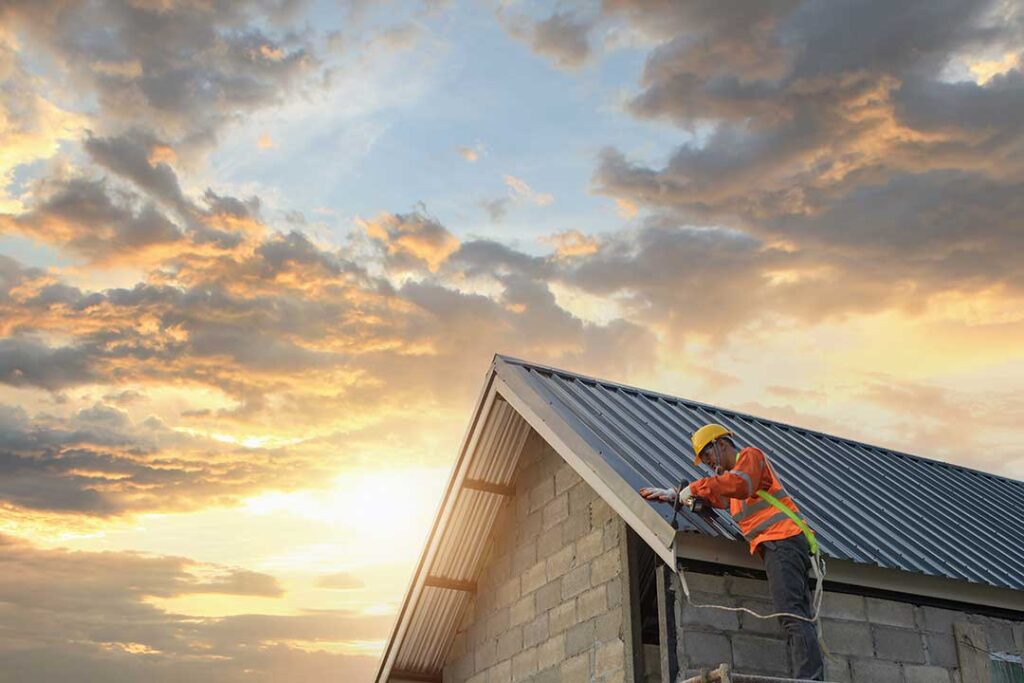
What Are the Most Common Roofing Parts and Layers?
Every roof in Castleton On Hudson is made up of several basic parts, each serving a specific purpose. Getting familiar with these terms can make home maintenance easier and help you communicate clearly if repairs or inspections are needed.
- Shingles—The visible, outermost covering. In this area, asphalt shingles are most common because they handle wide seasonal swings and heavy snow. Metal, slate, and wood are also found on some older or custom homes.
- Decking (Sheathing)—Flat panels (often plywood or OSB) that attach to the rafters and support the shingles.
- Underlayment—A protective barrier installed between the decking and shingles, usually made of felt or synthetic materials to help keep out moisture.
- Flashing—Thin strips of metal placed where the roof meets a wall, chimney, or vent. Flashing keeps water from seeping in at these vulnerable intersections.
- Ridge & Ridge Cap—The highest point of the roof is called the ridge. Specially designed shingles or metal pieces called ridge caps cover this area to prevent leaks.
- Soffit & Fascia—Soffits are the undersides of roof overhangs that promote attic ventilation. Fascia is the finishing board along the building’s edge, where gutters are often attached.
Why Do Roofs Have Vents and Gutters?
Roof vents and gutters are vital for managing moisture and temperature, two issues that especially affect homes in the Northeast.
- Roof Vent—Allows warm, moist air to escape from the attic, preventing ice damming and reducing summer heat buildup.
- Gutters & Downspouts—Collect and direct rain and melting snow away from your foundation. Without them, basement flooding and erosion can occur more frequently in this climate.
In Castleton On Hudson, where heavy snowfall and rainy spring weather are typical, keeping these systems clear is key to avoiding leaks and indoor water damage.
How Does a Roof’s Pitch Affect Its Design?
Roof pitch (also called slope) describes how steep a roof is. This matters for both appearance and function:
- Low-slope or Flat Roofs are less common for detached homes in this community but may be seen on porches, additions, or some historic buildings. They require special waterproofing, as water doesn’t drain off as quickly.
- Steep-slope Roofs are typical for single-family homes here. Steep angles help snow and rain run off, which is especially valuable in areas with seasonal storms.
Pitch is measured as a ratio—like 6/12, meaning the roof rises six inches for every twelve inches of horizontal run.
What Is an Ice Dam and Why Should Residents Care?
Ice dams form when heat from inside a home causes snow on the roof to melt. Water then refreezes at the eaves (roof edges), creating a dam that traps more melting snow and water. Trapped water can back up under the shingles, causing leaks and interior damage.
Because Castleton On Hudson experiences significant freeze-thaw cycles, homes in the area are prone to ice damming, especially if attic ventilation or insulation is lacking.
Preventative steps include ensuring even attic insulation, sealing air leaks, and confirming proper roof venting. Understanding these terms can help area residents stay alert to potential winter roofing issues.
How Do Flashing, Valley, and Eave Differ?
These terms refer to specific roof features where leaks are more likely if not maintained:
- Flashing as mentioned, is a protective metal strip.
- Valley is the internal angle where two roof planes meet, often directing large amounts of water. Special valley flashing is often installed here.
- Eave is the roof’s lower edge, where water naturally sheds. The eave is where issues like ice damming and gutter overflow often begin.
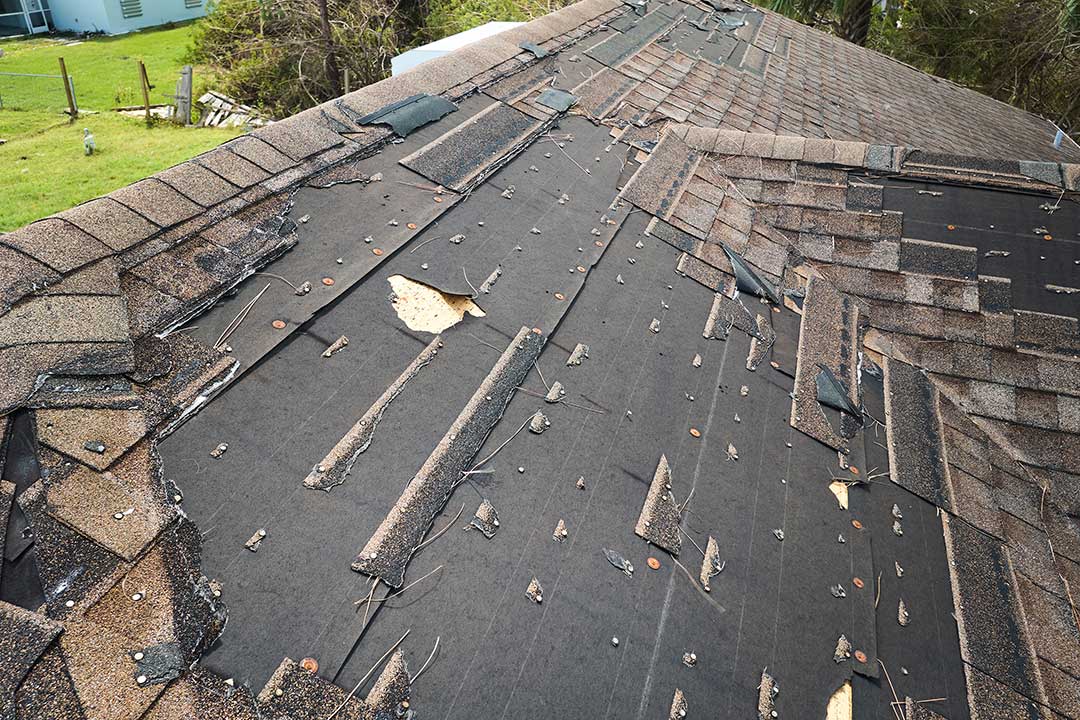
Staying aware of these leak-prone areas is especially useful in an older housing stock community, where flashing and valleys may deteriorate faster.
What Does “Square” Mean in Roofing?
The term “square” doesn’t mean a shape in this context. Instead, it’s a unit of measurement: one square equals 100 square feet of roofing material. So if a local roof is 2,000 square feet, that’s 20 squares.
Understanding this helps residents interpret material estimates or reports more clearly—especially during major repairs or replacement projects.
Why Is Roof Maintenance Language So Specific?
Clear terms help ensure all parties understand what is being inspected, repaired, or replaced. This is especially crucial when interpreting home inspection reports, insurance claims, or talking with local vendors about seasonal upkeep.
For example:
- Knowing the difference between ridge cap and main shingles may help clarify why certain repairs cost more.
- Understanding what “underlayment” means can help residents make informed choices about moisture protection—critical in an area where freezing rain and snow melt are routine threats.
What Are Some Common Misunderstandings?
Some roof vocabulary causes confusion for homeowners:
- “Shingles” are sometimes mistaken for the entire roofing system when they are only the top layer.
- “Flashing” is often thought of as only chimney-related, but it appears anywhere two surfaces meet.
- “Soffit” and “fascia” get mixed up; the soffit is beneath the overhang, while the fascia is the vertical board at the edge.
Staying familiar with these terms helps area residents detect issues early and communicate clearly—supporting DIY assessments or dialogue with any roof evaluator.
