
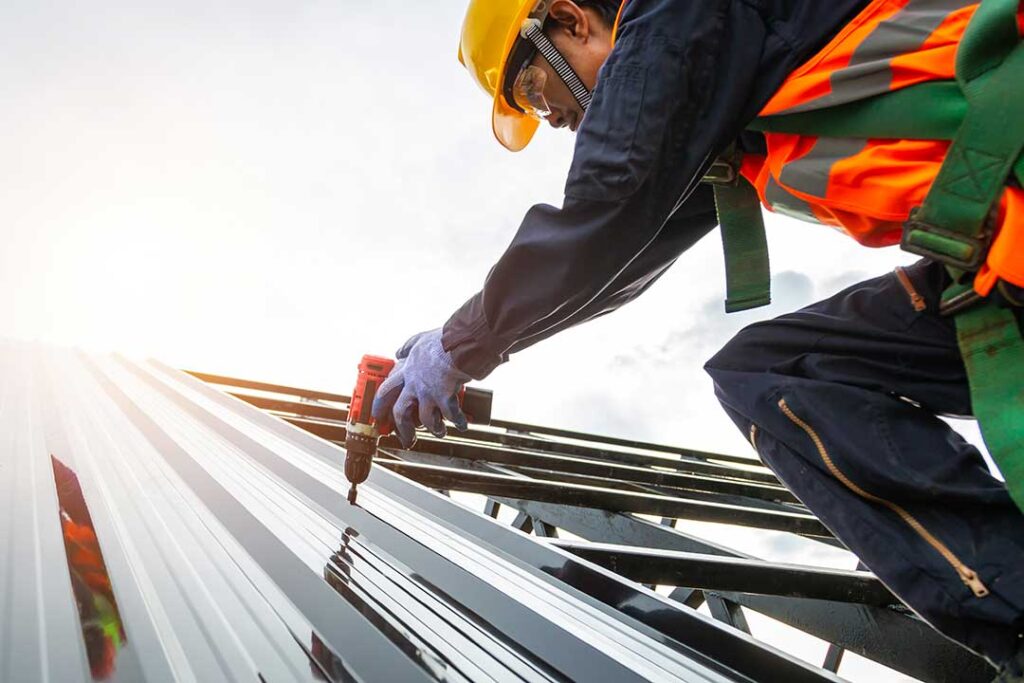
How do asphalt shingles and metal roofs differ for local homes?
Both asphalt shingles and metal roofing are common choices for residential roofs in Castleton On Hudson, NY. While asphalt shingles are the most widely used material in the United States, metal roofing has gained popularity due to its durability and energy efficiency. The core differences include materials, installation methods, life expectancy, maintenance needs, cost, and how each performs through the area’s seasons.
What are the pros and cons of asphalt shingles in the local climate?
Asphalt shingles are popular in the city because they are affordable and relatively simple to install. For most single-family homes, they provide satisfactory protection against rain, wind, snow, and fluctuating temperatures typical of upstate New York.
Advantages:
- Generally lower upfront cost compared to metal
- Decades of reliable service when properly installed and maintained
- Readily available in various colors to match different architectural styles
- Repairs are typically straightforward
Drawbacks:
- May show wear sooner after repeated freeze-thaw cycles, common in the region’s winters
- Susceptible to algae growth if roofs remain shaded and damp
- Lifespan (15-30 years) is shorter than metal, especially in areas with accumulating snow and ice
Shingles can crack, curl, or lose granules due to fluctuating temperatures and exposure over many seasons. Local homeowners sometimes overlook the impact of snow and ice dams, which can accelerate roof aging.
Does metal roofing handle Castleton On Hudson weather differently?
Metal roofing is known for withstanding severe weather, which benefits area homes exposed to lake-effect snow, hail, and wind. It performs well through cycles of heavy snow, ice, and rain.
Key strengths:
- Long lifespan (typically 40-70 years)
- Excellent resistance to wind, ice, and hail damage
- Sheds snow more efficiently, reducing heavy accumulation and the risk of ice dams
- When properly installed, is nearly impermeable to water and ice infiltration
Considerations:
- Higher upfront investment than asphalt shingles
- Installation requires more specialized skills
- Occasional noise during rain or hail (though underlayment can reduce this)
- May require snow guards to prevent large sheets of snow from sliding off
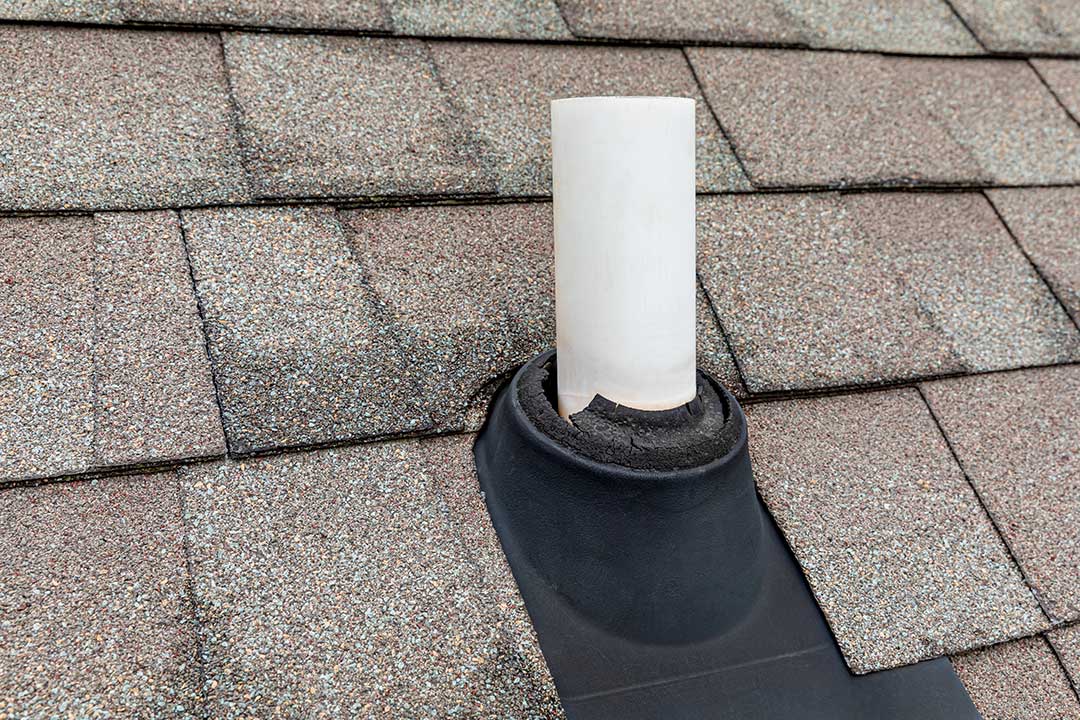
Metal roofing’s durability means fewer replacements over a lifetime, which matches well with local conditions where storms and icy winters are expected.
How do appearance and curb appeal compare?
Both options offer ways to complement the character of local houses, whether historic or modern. Asphalt shingles come in an extensive range of styles and colors, allowing homeowners to match roofs to architectural details found throughout the area. Metal roofs are available in many finishes, including colors and profiles that can mimic traditional shingles, shakes, or even slate.
Some misconceptions exist that metal roofs only come in shiny silver panels. In reality, most installations blend well with other homes, and some are nearly indistinguishable from shingles at street level. Homeowners often balance tradition with new materials when considering visual impact for their neighborhoods.
What are the typical costs and long-term value for residents?
Asphalt shingles usually offer the lowest upfront cost of any roofing material. For many households in the city, especially those with starter homes or limited budgets, this makes them attractive.
Metal roofs demand a higher initial investment—often two to three times more than asphalt shingles. However, this cost comes with a longer expected lifespan and lower maintenance needs. Over decades, fewer replacements and repairs may balance, or even outweigh, the cheaper initial option for some households willing to invest upfront.
Potential resale value is another factor. Some homebuyers value a newly installed metal roof as a sign of long-term structural investment, which can enhance curb appeal and marketability.
Which material is easier to maintain through local seasons?
Routine maintenance for both roofing types ensures full lifespan. Shingle roofs require periodic inspection for cracked, missing, or granule-losing shingles, especially after winter storms. Moss and algae removal can be necessary in shaded spots or after wet summers.
Metal roofs are generally less prone to damage and need less regular upkeep. Inspections check for loose fasteners, sealant wear, or minor dents. Snow guards are a specific consideration for metal roofs in the region, as snow can slide off in a single sheet, potentially causing injury or damaging shrubs and gutters below.
Neither material is immune to storm or tree fall damage. Quick attention to repairs, regardless of the roof type, helps avoid leaks and costly problems inside the home.
Are there energy efficiency or insulation differences?
Metal roofing can reflect more sunlight compared to darker asphalt shingles, which helps keep attics cooler in the summer. This may slightly reduce cooling needs for top-floor rooms during the hottest months. In winter, both asphalt and metal rely more on the home’s attic insulation and ventilation than the roofing itself to manage heat loss and prevent ice dams, a persistent concern locally.
Upgrading insulation and ensuring attics are properly vented matter more to indoor comfort and efficiency than the choice between these roofing materials.
Are there noise or comfort issues with either type?
A common worry is that metal roofs will make homes louder during rain or hail. With current installation methods, including solid sheathing and modern underlayments, most homeowners report little difference in sound between asphalt and metal from inside the home. In some older buildings or barns with exposed metal and minimal insulation, increased noise can be an issue, but this is rarely relevant for typical residential structures in the community.
What do local building codes or historic area guidelines require?
Most single-family residential areas in Castleton On Hudson allow both asphalt shingles and metal roofing. However, in designated historic zones or on buildings with specific designations, exterior changes may need approval to maintain neighborhood appearance. Residents should check local building guidelines or with municipal offices before beginning any major roofing project to ensure compliance with any applicable restrictions.
