

What Should Residents Know Before Documenting Roof Damage?
Start by confirming safety. Only assess your roof if the structure appears stable. Local residents often want to act quickly after severe weather, but climbing onto a damaged roof may be hazardous. Clear photos from the ground or a sturdy ladder positioned securely on dry, even ground are often sufficient for insurance documentation. Most policies in the area expect prompt and accurate documentation.
Castleton On Hudson experiences seasonal storms and occasional late winter icing, both of which can cause roof issues not always visible from the street. Be as thorough as your safety allows.
Which Photos and Evidence Matter Most?
Insurance adjusters rely heavily on clear, detailed imagery. Take multiple photos from different angles—even of areas that seem minor or are simply adjacent to more obvious damage. Capture:
- Wide shots of the entire roof to show context
- Close-ups of damaged spots (missing shingles, torn flashing, dents, punctures)
- Any debris (tree limbs, hailstones) resting on or near the roof
- Interior ceilings, attic areas, and walls directly beneath damage if you see staining, moisture, or drips
Use good lighting and ensure the date/time settings on your camera or phone are accurate. If possible, photograph weather conditions at the time of discovery, such as leftover hail or pooled water, to help establish cause.
For Castleton On Hudson residents, snow and ice damming in winter can cause hidden leaks that appear as stains or bubbling paint indoors rather than surface roof damage. Photograph all relevant evidence, even when unsure if it’s connected.
What Documentation Should Be Gathered Besides Photos?
In addition to images, keep concise written notes for context and timeline:
- The date and approximate time you first noticed damage
- Recent weather events: heavy winds, hailstorms, snowmelt, or ice accumulation
- A list of visible problems (lost shingles, cracked tiles, bent gutters, water spots, etc.)
- Any emergency repairs you need to perform right away (such as tarping)
Documentation can also include saved weather alerts, news clippings, or notifications from local authorities about severe events affecting the community. Such context helps claims adjusters confirm the timing and likelihood of storm-caused damage in your neighborhood.
How Should You Organize and Store the Evidence?
Create a digital folder labeled with the incident date. Add all photos, written notes, and scanned or downloaded documents (such as weather bulletins). Back up these records to a secure location, such as cloud storage or an external drive. Label image files and notes descriptively (e.g., “2024-04-18_missing_shingles_northeast_corner”).
Local households sometimes overlook interior evidence or forget to save non-photo documentation. Organizing everything as soon as possible helps prevent lost or mixed-up details if the claim process lasts several weeks.
What Are Common Mistakes to Avoid During Roof Damage Documentation?
Several pitfalls can slow or complicate claims for Castleton On Hudson residents:
- Failing to take photos before making emergency repairs (if repairs are necessary for safety, document the original damage first)
- Providing only a few close-up images without wide shots for context
- Not photographing secondary issues like broken vent covers, sagging gutters, or interior leaks
- Discarding debris or damaged materials before documenting them
- Ignoring subtle damage after windstorms or ice events (for example, bent flashing that could cause later leaks)
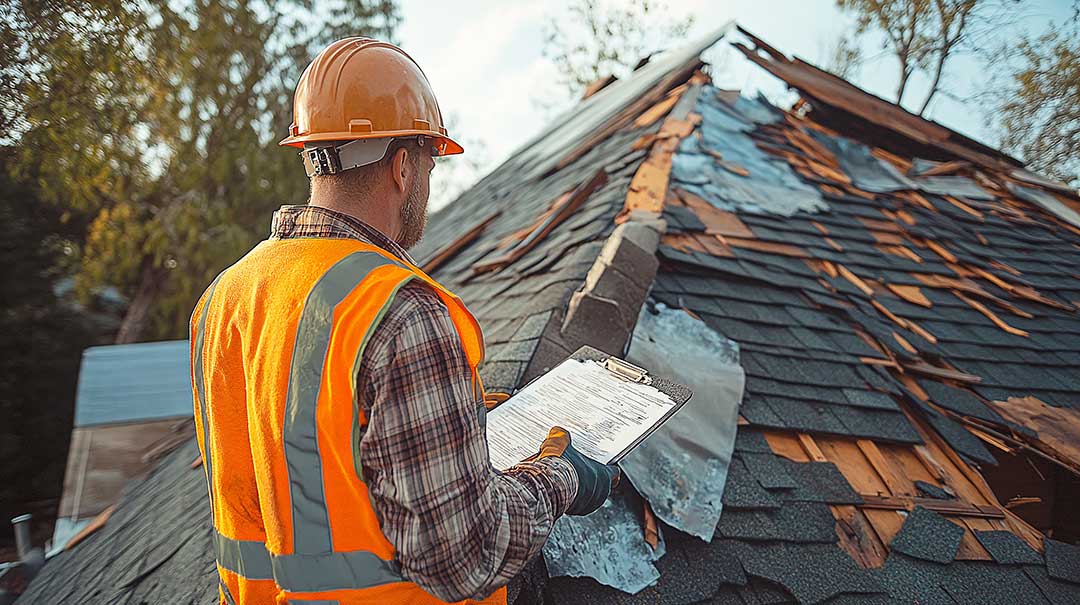
Area residents should also avoid climbing onto the roof if conditions are slick, icy, or unstable. Insurers are interested in clear, safe evidence rather than risky attempts at close-ups.
How Do You Report the Damage to an Insurance Company?
Once documentation is ready, review your insurance policy to confirm requirements for submitting a claim and supporting evidence. Insurers often provide digital submission options, so high-quality digital files are usually preferable. Submit:
- A structured summary describing what happened and the visible outcome
- The complete batch of photos and notes (grouped clearly by area or type of damage)
- Any receipts for urgent temporary repairs
- A copy of your policy details, if required
Make note of your claim number and save a copy of every submitted file. The process for Castleton On Hudson residents generally follows standard state guidelines, but always clarify preferred methods directly with your insurer.
What If Damage Isn’t Discovered Right Away?
Delayed discovery is common—especially for issues like leaks from ice dams or post-storm seepage that become visible only after time. In such cases:
- Document all observations as soon as noticed, and refer to local weather records to support the probable timing
- Check for any seasonal patterns that could link earlier weather to present damage (e.g., snowmelt resulting in ceiling stains)
- Explain the timeline clearly in your written report
Insurers understand that gradual discovery happens, especially in climates with freeze-thaw cycles and heavy spring rains. Being thorough and transparent improves the likelihood of a fair assessment.
Is There Local Support or Additional Resources Residents Can Use?
While the primary responsibility to document falls on homeowners, area residents can find additional guidance through regional disaster preparedness resources or state-level consumer assistance offices. Public advisories often offer seasonal tips specific to threats like ice, hail, or late winter storms.
City government sites sometimes post updates after major storms, which can serve as helpful third-party documentation if claims require extra verification.
