

Do Solar Panels Work Well in Castleton On Hudson, NY?
Solar panels can be effective in Castleton On Hudson, although their efficiency depends on local weather, roof condition, and installation quality. The area gets a mix of sunny and cloudy days, with snowfall in winter. Solar panels do not need continuous direct sunlight but will generate more energy on clear days. Heavy snow can temporarily block production, but most panels are installed on a tilt, allowing accumulated snow to slide off more easily after storms.
Panels are a long-term investment that can make sense for local homeowners, especially if the roof faces south or southwest for the best year-round exposure. For homes shaded by trees or neighboring buildings, energy output may be lower. Residents often wonder if the region gets enough sunlight for solar to be worthwhile—data shows that panels in the city produce slightly less than installations in sunnier regions, but can still deliver solid returns over time.
Will Solar Panels Damage or Affect the Roof?
Properly installed solar panels should not cause roof damage. Solar racking systems are designed to distribute weight safely and use weatherproof attachments. However, an aging or compromised roof, or installation by someone unfamiliar with local roofing materials, can increase risks.
Homeowners frequently ask if the roof will leak, sag, or need to be replaced sooner. The reality is:
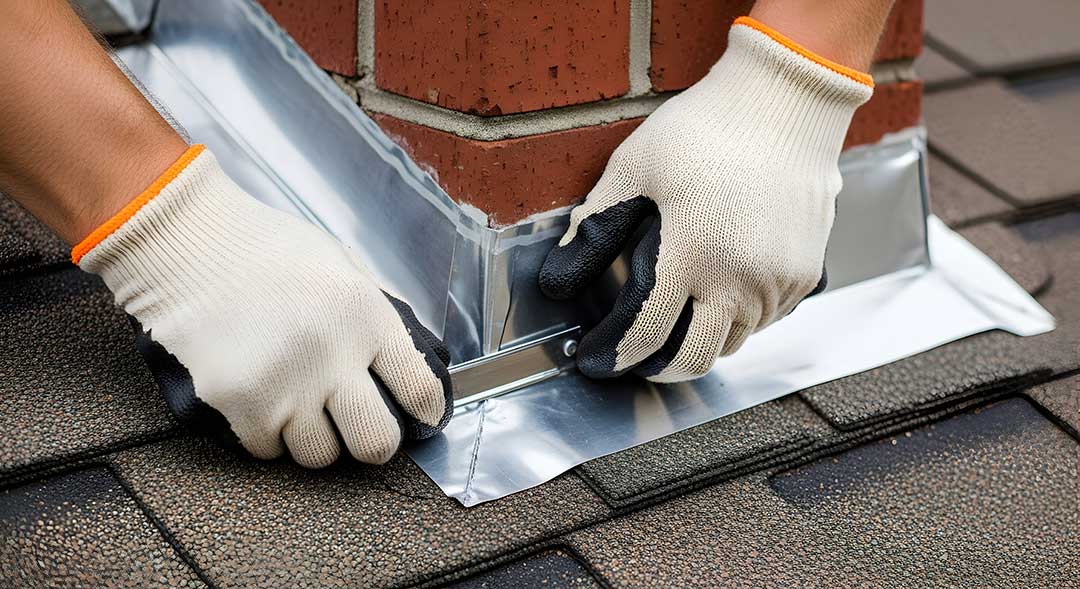
- Modern mounting systems use flashing and seals to prevent water intrusion.
- If the roof is nearing the end of its lifespan, it’s best to re-roof before installing panels.
- In some cases, solar panels can actually protect the underlying roof from sun and precipitation, slightly extending shingle life.
Common concerns include the possibility of old shingles cracking under pressure, or snow and ice buildup around the panels. These issues are rare if the installation follows manufacturer guidelines and takes local winter conditions into account.
What Roof Types Work Best?
Most roofs in Castleton On Hudson are asphalt shingles, but some homes have slate, metal, or tile. Solar panels can be installed on almost any material, but some types are more straightforward:
- Asphalt shingle roofs: The most common, and usually easy for solar mounts.
- Metal roofs: Standing-seam metal is especially compatible, as mounting can be done without roof penetrations.
- Slate and tile: Can be more challenging and expensive due to brittleness.
Flat roofs, though less common in area homes, can support solar with specialized racks set at the proper tilt. It’s useful to check if the roof structure can support additional weight—most standard roofs are suitable, but older homes should be evaluated for integrity, especially ahead of the upstate winter.
How Long Should the Roof Last Before Installing Solar?
Solar panel systems are designed to last 25 to 30 years or more. To avoid costly panel removal and re-installation for future roof repair, local experts recommend the existing roof be in good condition for at least 10-15 more years. For asphalt shingle roofs, this usually means:
- Less than 10-12 years old (for standard 20-25 year shingles)
- Free of visible damage, curling, or missing shingles
- No recurring roof leaks or soft spots
If the roof is nearing replacement age, consider re-roofing just before solar installation, which can save time and money in the long run.
Do Local Rules or Permits Impact Solar Panel Installations?
Homeowners in Castleton On Hudson must comply with all relevant building codes and permitting requirements. Most installations require at least:
- A building permit from the municipal office
- Inspection for electrical safety and structural integrity
- Adherence to national fire and electrical codes
Some homes in the community may fall within historic districts or neighborhoods with homeowners’ associations, which may have additional rules about solar panel visibility or roof modifications. Checking these regulations before making plans helps avoid delays and unexpected costs.
How Do Snow, Ice, and Winter Storms Affect Solar Panels?
Concerns about winter conditions are common among local residents. Solar panels function in cold weather, and performance can actually improve at lower temperatures. However, panels covered by heavy snow will produce little or no electricity until cleared. Typically, snow slides off panels more quickly than shingles due to their slick surface and angle.
Removal of snow is not usually necessary unless energy production is critical, as panels are generally self-clearing within days of snowfall. Ice dams are unlikely to form under panels unless the roof already has underlying insulation or ventilation problems.
What Maintenance is Needed for Roofs with Solar Panels?
Solar panels require minimal upkeep. Routine maintenance includes:
- Visual checks for loose mounts or wind damage, especially after severe storms
- Occasional cleaning to remove debris, pollen, or leaves—rain usually suffices
- Inspecting sealant and flashing every few years to make sure no leaks have developed
The roof itself can still be inspected, but access may be limited by panel placement. Addressing small roof issues promptly, before they worsen, is wise for homes with solar.
Are There Misconceptions About Solar Mounting and Roof Life?
A common misconception is that solar panels will automatically void all roof warranties or lead to leaks. Reputable equipment and careful installation generally preserve both structural warranties and the roof’s lifespan. Another overlooked point: solar panels are not too heavy for the vast majority of local roofs. Each panel weighs roughly 40 pounds, distributed over a wide area.
Panels can actually reduce roof aging by blocking ultraviolet light and reducing thermal cycling on the covered portions. However, it’s no substitute for prompt attention to shingle age and roof upkeep.
Should Homeowners Worry About Animals or Debris?
Some residents notice squirrels or birds nesting beneath solar panels. This is more common in areas with mature trees or older roofs. Mesh guards or critter barriers can be used, and regular visual checks help keep animal activity under control.
Twigs, leaves, and other debris can gather around panel edges, especially during windy seasons. Keeping gutters clear and trimming overhanging branches will minimize issues.
Key Questions to Answer Before Adding Panels
Homeowners weighing solar should start by asking:
- Is my roof in good shape for the next 15 years?
- Does my home get enough sun, or are trees causing shade?
- Do local permits or homeowner rules permit rooftop panels?
- Is my roof’s structure ready for the added weight?
Evaluating these questions helps ensure the project is smooth, and that the solar panels are both safe and productive for many years.
