
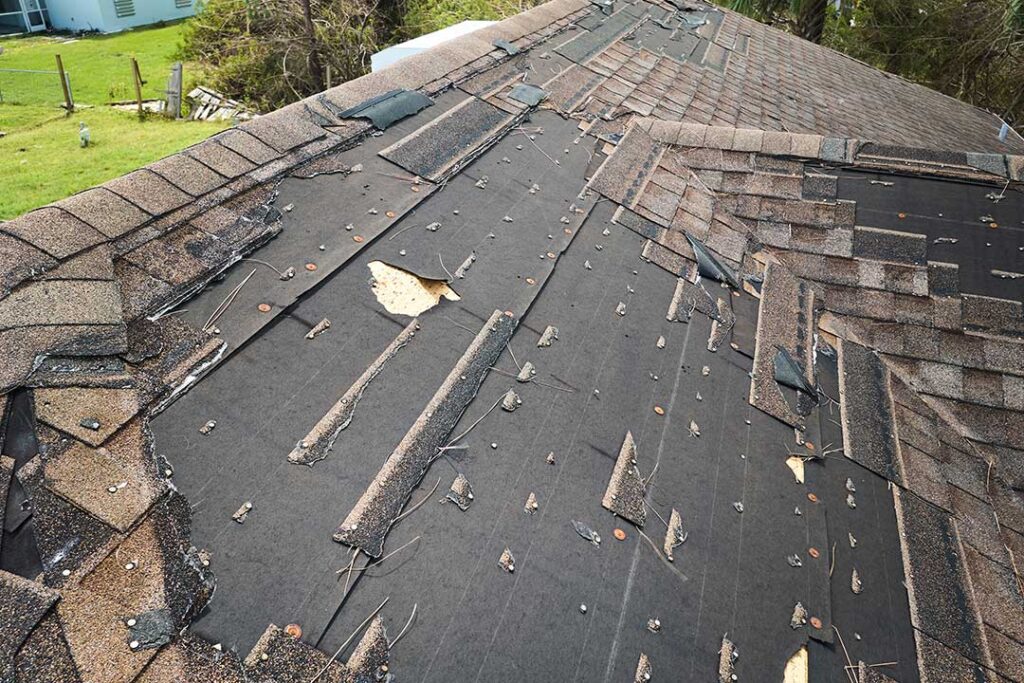
Roof inspections are most useful when they are scheduled before small problems become interior damage. For households in Castleton On Hudson, NY, a routine inspection is generally appropriate once a year, with additional checks after severe weather, before a home sale, or when warning signs appear.
How often should a roof be inspected?
Most residential roofs benefit from an inspection every year or every two years, depending on the roof’s age, condition, and exposure to weather. Annual inspections are especially sensible for older homes, roofs with previous repairs, and properties surrounded by mature trees.
A yearly inspection does not always mean repairs are needed. It provides an opportunity to document the roof’s condition, clear minor drainage concerns, and identify aging materials before they lead to leaks.
A more frequent schedule may be appropriate when:
- The roof is more than 15 to 20 years old.
- The property has experienced repeated leaks or storm damage.
- Ice, snow, wind, or falling branches have affected the roof.
- Moss, algae, or debris regularly collects on roof surfaces.
- Attic ventilation or moisture problems have been reported.
- The home is being prepared for sale or an insurance review.
The correct interval depends on the roofing material as well. Asphalt shingles often require closer attention as they age, while metal, slate, and other long-lasting systems still need inspections around flashing, drainage areas, and penetrations.
What time of year is best for a roof inspection?
Early fall is often a practical time for a routine inspection because it allows homeowners to address defects before winter weather arrives. Snow, freezing temperatures, and repeated freeze-thaw cycles can make roof problems harder to see and more expensive to correct.
A spring inspection is also useful. It can reveal damage caused by winter conditions, including loosened shingles, damaged flashing, blocked drainage paths, and water entry around roof edges.
For many homes, the most useful approach is:
- Spring: Check for winter damage and drainage problems.
- Early fall: Prepare for snow, ice, wind, and freezing temperatures.
- After severe weather: Look for new damage even if no leak is visible.
- During major home projects: Inspect the roof before adding equipment, changing attic ventilation, or altering exterior surfaces.
There is no need to wait for a preferred season if a problem is already suspected. A roof that is leaking, sagging, or showing exposed materials should be evaluated promptly, provided conditions are safe.
Should a roof be inspected after a storm?
Yes. Strong wind, heavy rain, hail, ice, and fallen branches can damage a roof without creating an immediate indoor leak. Water may enter beneath shingles or around flashing and remain hidden until staining appears on ceilings or walls.
After severe weather, look from the ground for:
- Missing, lifted, curled, or visibly shifted shingles
- Loose metal edging or flashing
- Broken branches or debris resting on the roof
- Damaged vents, chimneys, or roof-mounted structures
- Granules collecting in gutters or at downspouts
- New ceiling stains, damp insulation, or musty attic odors
Avoid climbing onto the roof after a storm. Wet surfaces, hidden structural damage, and unstable branches create fall hazards. A ground-level check can identify reasons for further evaluation without adding personal risk.
What signs mean an inspection should happen sooner?
A roof should be checked before the normal annual date when there are visible or recurring warning signs. Delaying an inspection can allow water to spread through sheathing, insulation, framing, or finished ceilings.
Common reasons to move the inspection forward include:
Water stains or damp areas
Brown, yellow, or expanding marks on ceilings and walls may indicate an active leak or an older moisture problem. The visible stain may not be directly below the point where water entered, because moisture can travel along framing and roof layers.
Shingle changes
Shingles that are cracked, blistered, missing, buckled, or losing large amounts of surface granules deserve attention. A few isolated imperfections may have a limited effect, but widespread deterioration suggests that the roof is aging.
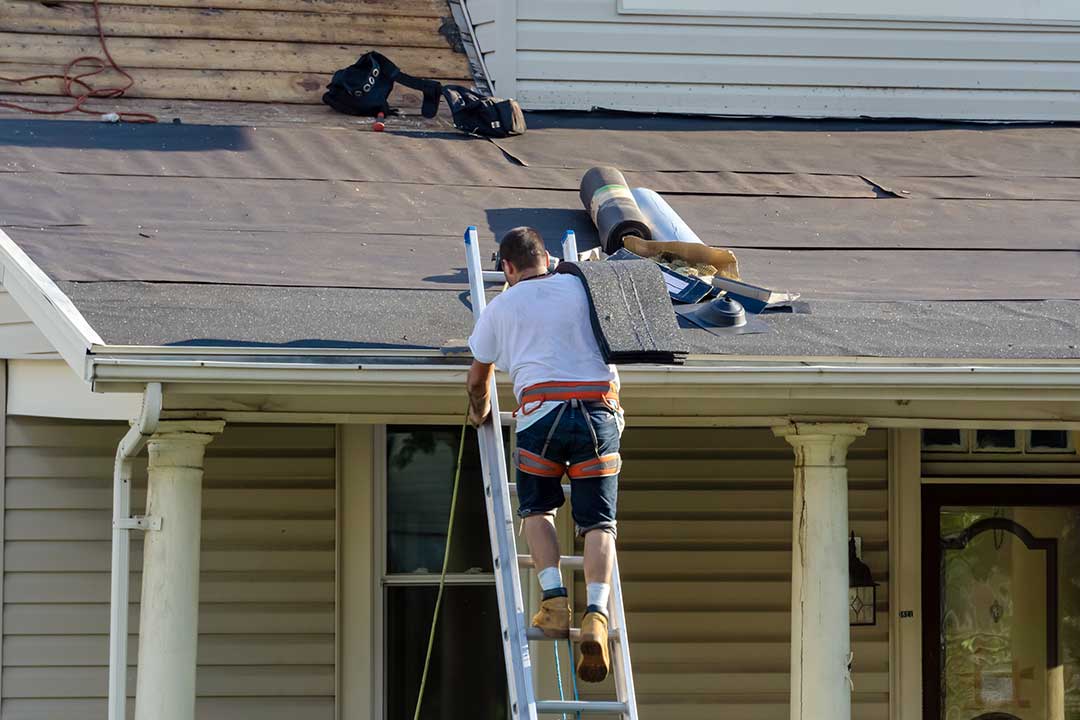
Sagging or uneven roof lines
A dip in the roof plane can indicate moisture damage, weakened decking, structural movement, or excessive weight. This is not a cosmetic issue and should be treated as a priority.
Gutter and drainage problems
Overflowing gutters, separated joints, and downspouts that discharge near the foundation can contribute to roof-edge and wall damage. Leaves and debris are particularly troublesome around valleys, low-slope sections, and roof-wall intersections.
Attic moisture
Condensation, damp insulation, mold-like odors, or darkened wood in the attic can point to ventilation or air-sealing problems. Not every attic moisture issue is caused by a roof leak, so an inspection should consider both the roof and the building’s airflow.
Does an older home need a different inspection schedule?
Older homes often benefit from more detailed and more frequent evaluations because their roofs may have multiple layers, previous repairs, aging flashing, or changes made over several decades. Additions and enclosed porches can also create complicated roof intersections where water movement is difficult to track.
In established neighborhoods, houses may have experienced repeated snow and ice exposure, roof replacements over existing materials, or repairs made at different times. Inspection records, if available, can help determine whether the current roof is nearing the end of its expected service life.
A roof’s age alone does not prove that replacement is necessary. Condition, installation quality, ventilation, drainage, and past maintenance all affect how long it remains functional.
What should homeowners ask an inspection to cover?
A useful inspection should look beyond the shingle surface. Areas commonly reviewed include:
- Shingles, panels, tiles, or other roof coverings
- Flashing around chimneys, vents, skylights, and wall intersections
- Valleys, eaves, ridges, and roof edges
- Gutters, downspouts, and drainage paths
- Visible attic framing, insulation, and ventilation
- Signs of water entry or concealed moisture
- Previous repair areas
- Roof penetrations and attached structures
Inspection findings are easier to use when they distinguish between immediate hazards, maintenance items, developing concerns, and conditions that can simply be monitored. Photographs and written notes can also help track changes from one year to the next.
Can homeowners inspect a roof themselves?
Homeowners can perform a limited ground-level review and look inside accessible attic areas, but walking on a roof is not necessary for routine observation. Sloped surfaces, hidden weak spots, ice, moss, and loose materials can make climbing dangerous.
A safe homeowner check may include inspecting ceilings after heavy rain, looking for daylight or dampness in the attic, checking gutters from a stable location, and viewing roof surfaces with binoculars from the ground.
If the roof has significant sagging, exposed decking, active water entry, electrical hazards, or storm debris, safety should take priority over documentation. The inspection should be performed only when conditions allow safe access.
For most households, a yearly inspection in spring or early fall—plus an additional check after significant weather—is a practical way to understand roof condition and plan maintenance before minor defects become larger building problems.
