
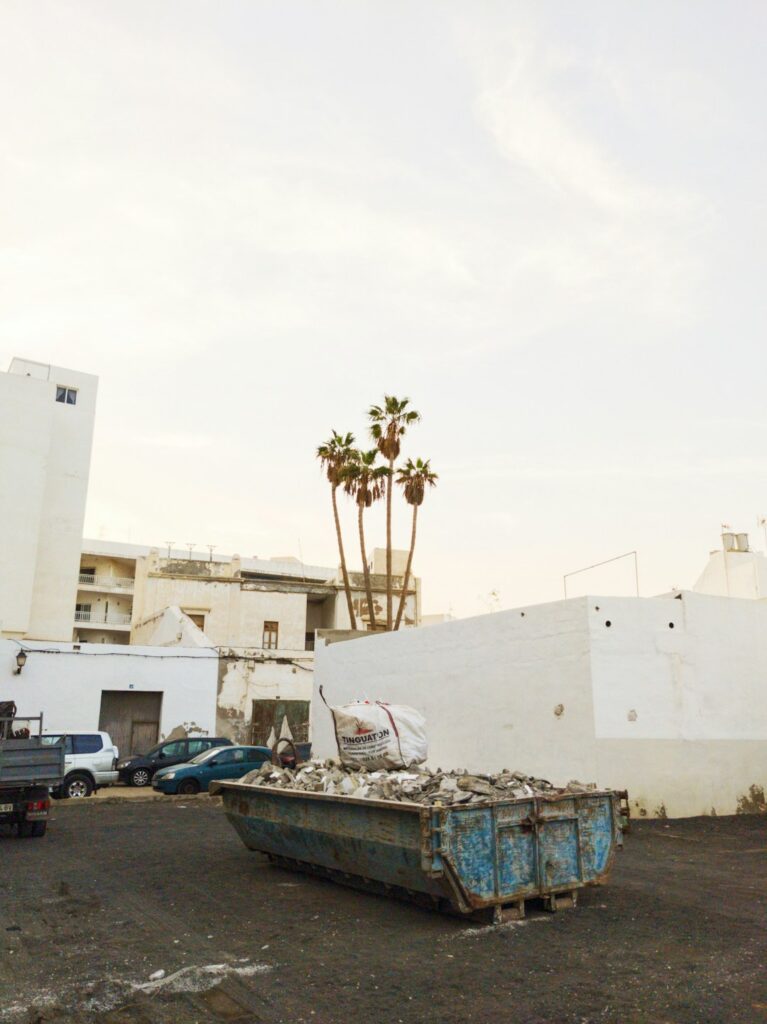
Can old roofing materials be recycled?
Yes, many roofing materials can be recycled, but they usually do not belong in a household recycling bin. Asphalt shingles, metal flashing, aluminum gutters, and some clean roofing wood may be accepted through specialized construction-and-demolition recycling programs.
For residents of Castleton On Hudson, NY, the most practical approach is to identify the material, keep it separated from other debris, and confirm acceptance rules before loading a vehicle or arranging disposal. Local facilities may accept roofing waste for a fee, during designated cleanup events, or only from eligible households.
Recycling is most realistic for clean, ordinary roofing materials. Debris mixed with insulation, household trash, wet materials, or hazardous substances may be rejected or sent to disposal instead.
Which roofing materials are commonly recyclable?
The material most often considered for recycling is asphalt roofing shingle waste. Asphalt shingles contain mineral granules and asphalt that can sometimes be processed into aggregate or incorporated into pavement products.
Other materials may have separate recycling pathways:
- Metal flashing and drip edge: Often recyclable as scrap metal if separated from shingles, wood, tar, and fasteners.
- Aluminum gutters and downspouts: Commonly accepted as scrap metal when reasonably clean and free of heavy contamination.
- Copper roofing or flashing: May have value as a separate recyclable metal, although it should be kept apart from other materials.
- Roofing felt and paper: Acceptance varies. Some construction-and-demolition facilities accept uncontaminated roofing paper with shingles, while others do not.
- Wood sheathing or trim: Clean, untreated wood may be accepted separately, but painted, rotten, or mold-contaminated pieces may have different requirements.
- Clay, concrete, or slate tiles: These may be reusable or accepted as masonry rubble, but they are heavy and should not be mixed automatically with asphalt shingles.
Roofing membranes, synthetic underlayments, rubber roofing, spray foam, and products coated with unusual chemicals are less consistently recyclable. Ask the receiving facility about these materials specifically.
How should shingles be prepared for recycling?
Preparation affects whether a load can be recycled. Keep shingles as clean and separated as possible during removal.
Remove or separate obvious contaminants such as:
- Wood scraps and roof decking
- Insulation
- Plastic packaging
- Cardboard
- Large pieces of metal
- Gutters and downspouts
- Household garbage
- Excessive soil, leaves, and mud
Roofing nails usually do not need to be pulled out of asphalt shingles. Specialized processing equipment can often remove ferrous metal with magnets. Even so, large quantities of loose metal, tools, or long pieces of flashing should be separated before delivery.
Use a sturdy tarp or covered container to prevent lightweight shingle pieces from blowing into streets, yards, or storm drains. In the region’s windy spring and autumn conditions, uncovered loads can become a safety and litter problem quickly.
Where can residents take old roofing materials?
The right destination depends on the material and the amount involved. Possible options include a municipal transfer station, a scheduled community cleanup event, or a permitted construction-and-demolition debris facility.
Local residents should check the current rules before making a trip. A facility may limit roofing waste by:
- Household eligibility or proof of residency
- Vehicle type or load size
- Operating hours
- Seasonal cleanup dates
- Material type
- Fees
- Requirements for tarps, containers, or source separation

A municipal cleanup event may accept shingles as construction debris, but that does not necessarily mean the material will be recycled. Some loads are consolidated for disposal, while clean and separated materials may be directed to recovery.
For a larger reroofing project, ask in advance whether the facility accepts contractor-generated material, multiple loads, or mixed construction debris. Requirements can differ between a small do-it-yourself repair and a full roof replacement.
Can old shingles go in the regular trash?
Small amounts of roofing material generally should not be placed in curbside recycling bins, and ordinary household trash service may not accept them. Shingles are heavy, sharp, and bulky. They can damage collection equipment or exceed container weight limits.
Putting roofing debris beside a household garbage container also does not guarantee pickup. Loose shingles can scatter, injure workers, or be treated as unauthorized construction debris.
A few pieces from a minor repair may have different rules than several bundles from a roof replacement. The quantity matters, so verify the policy before setting anything at the curb.
What about old roofing materials that may contain asbestos?
Older roofing materials can require special caution. Some historic shingles, roofing felts, mastics, and cement-based roofing products may contain asbestos or other hazardous substances. Age alone does not prove that a material contains asbestos, but suspicious material should not be broken, ground, burned, or placed in a recycling load without guidance.
Warning signs include:
- Brittle cement-like shingles
- Unusual layered sheet materials
- Roofing products from older construction
- Material that crumbles into dust
- Debris with unknown coatings or sealants
Do not sweep or pressure-wash questionable roofing debris. Keep it contained and avoid creating dust. If asbestos is suspected, disposal and testing requirements may apply before the material can enter a recycling or construction-waste facility. This is one situation where following state and local hazardous-material requirements is necessary.
Is reusing roofing material better than recycling it?
Reuse can be preferable when the material is still sound and clean. Unused bundles of matching shingles may be useful for future repairs, provided they have been stored in a dry, protected location and are still flexible enough to install safely.
Salvaged slate, clay tile, metal panels, copper flashing, and intact wood may also be reusable. Reuse is less realistic for brittle asphalt shingles, curled pieces, algae-covered materials, or shingles with damaged adhesive strips.
Keep reusable material separate from demolition waste. Once it is mixed with wet debris, nails, or dirt, it becomes harder to inspect and less useful.
What should be done before a roof replacement?
Before work begins, decide how the removed material will be handled. A simple plan can prevent recyclable materials from becoming contaminated.
Ask these questions:
1. What type of roofing material is being removed?
2. Does the receiving facility accept that material?
3. Must shingles, metal, wood, and other debris be separated?
4. Are there load limits, fees, or residency requirements?
5. Will the material be recycled, reused, or disposed of?
6. How will the load be covered during transport?
Homes in the area may experience snow, ice, freeze-thaw cycles, wind, and heavy spring rainfall. Those conditions can leave roofing debris damp and muddy after removal, so covered staging areas and prompt delivery are useful.
A clean, separated load gives the material the best chance of being recovered. It also reduces the risk of rejected loads, scattered debris, and avoidable disposal costs.
