
Roof stains are common on homes in Castleton On Hudson, NY, especially after years of changing weather, shade, moisture, and seasonal debris. A dark streak or patch may be harmless surface growth, but it can also signal trapped moisture, aging roofing materials, or a drainage problem.
Understanding what the stain looks like and where it appears is the first step toward deciding whether it needs cleaning, monitoring, or closer inspection.
What causes dark stains on a roof?
Most roof stains come from one of four sources: algae, moss, lichen, or moisture-related deterioration. Dirt and airborne residue can also collect on shingles, but biological growth is a frequent cause of black, green, brown, or gray discoloration.
Dark streaks that run downward from the upper part of a roof are often associated with algae. Algae can spread across asphalt shingles when moisture remains on the surface and sunlight is limited. A roof section beneath trees or beside a taller structure may stay damp longer than areas exposed to direct sun.
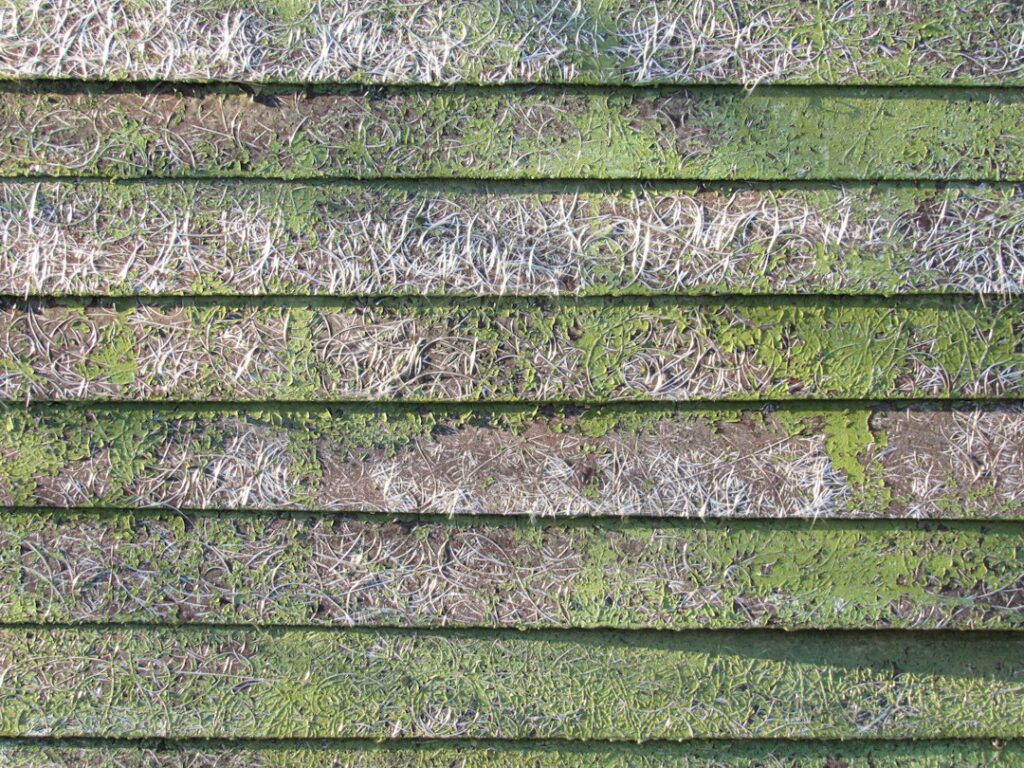
Moss usually appears as a raised, fuzzy, or cushion-like growth. It is more common where leaves, pine needles, and other organic material remain on the roof. Unlike a simple stain, moss can lift shingle edges and create spaces where water may collect.
Lichen tends to look crusty or branched. It attaches more firmly than surface dirt and may be difficult to remove without damaging the roofing material.
Are roof stains only cosmetic?
Not always. A small algae stain may have little immediate effect on a roof, but persistent moisture and organic growth can shorten the useful life of roofing materials.
Moss is more concerning because it can grow beneath shingle edges. As the roof expands and contracts through warm summers and freezing winters, lifted areas may become more vulnerable to wind, ice, and water entry.
Stains may also point to conditions that deserve attention, including:
- Clogged or overflowing gutters
- Poor roof drainage
- Heavy shade from nearby trees
- Damaged or missing shingles
- Inadequate attic ventilation
- Repeated leaf or needle accumulation
- Water running from an upper roof section onto a lower one
A stain by itself does not prove that the roof is leaking. However, stains inside the attic, on ceilings, or around upper-floor walls should be treated as possible signs of water intrusion.
How can homeowners tell algae from moss or dirt?
The texture and pattern usually provide useful clues.
Algae: Often appears as flat black, blue-gray, or dark brown streaks. It may be widespread but does not usually create a thick surface layer.
Moss: Appears green or yellow-green and visibly raised. It may form clumps along shingle edges, in roof valleys, or beneath overhanging branches.
Lichen: Often has a pale gray, green, or yellow appearance with a crusty or leaf-like texture. It may remain attached even after ordinary rinsing.
Dirt or soot: Usually looks dusty or uneven rather than rooted to the roofing surface. It may collect below chimneys, near vents, or along areas where water flows.
Rust or metal staining: Orange or reddish marks may come from exposed fasteners, metal flashing, chimney components, or runoff from corroding materials.
Photographs taken from the ground can help track whether a stain is spreading. Climbing onto the roof to inspect it closely creates a fall risk and can damage fragile shingles.
Can roof stains be cleaned safely?
Some stains can be cleaned, but the method matters. Asphalt shingles can be damaged by high-pressure washing, stiff brushes, scrapers, and harsh solvents. These methods may remove protective granules, loosen shingles, and create a larger problem than the original stain.
A gentler approach uses a roof-compatible cleaning solution applied according to the product directions, followed by natural weathering or low-pressure rinsing. The roof should not be scrubbed aggressively. Any runoff should be managed carefully so that it does not harm plants, soil, painted surfaces, or nearby drainage areas.
Cleaning is more difficult when moss has grown beneath shingles. Pulling or scraping it away can tear the roofing material. It is safer to address the moisture and debris conditions that allowed the growth to develop rather than focusing only on making the roof look clean.
Should bleach or household cleaners be used?
Household cleaning products are not automatically safe for roofing. Chlorine bleach, concentrated detergents, and strong solvents can discolor materials, damage nearby landscaping, corrode metal, or wash into stormwater systems.
A product labeled for the specific roofing material is a better starting point, but labels still need to be followed carefully. Cleaning should be postponed during windy weather, heavy rain, freezing conditions, or periods when runoff could enter gardens or waterways.
Never mix cleaning chemicals. Protective clothing, eye protection, and careful control of runoff are necessary when any chemical solution is used.
When should a roof stain be inspected more closely?
A stain deserves closer attention when it is accompanied by a physical change or an interior symptom. Warning signs include:
- Shingles that are curling, cracked, lifted, or missing
- Loose granules collecting in gutters or downspouts
- Sagging areas along the roofline
- Damp insulation or wood in the attic
- Water marks on ceilings or upper walls
- A musty attic odor
- Moss concentrated around valleys, chimneys, or roof penetrations
- Stains that expand rapidly after storms

The timing of the stain can also be informative. If discoloration appears after a chimney repair, gutter blockage, ice event, or major storm, the cause may be related to water movement rather than algae alone.
How do local seasons affect roof staining?
The seasonal pattern in Castleton On Hudson creates several conditions that encourage roof discoloration. Snow, rain, freezing temperatures, spring pollen, falling leaves, and summer humidity can all contribute to moisture remaining on roofing materials.
Trees are especially relevant on shaded lots. Branches can drop leaves and needles onto the roof, while overhanging limbs reduce airflow and slow drying. Snow and ice may also conceal developing problems until warmer weather returns.
After autumn leaf fall, it is useful to check whether gutters are draining properly and whether organic debris has collected in roof valleys. During spring, homeowners may notice moss or algae that developed beneath winter moisture. Summer inspections can reveal damaged shingles that were hidden under snow or debris.
How can roof stains be prevented?
Prevention focuses on keeping the roof drier, cleaner, and better ventilated.
Helpful measures include:
- Trimming branches that rest over or heavily shade the roof
- Removing leaves and needles before they accumulate deeply
- Keeping gutters and downspouts clear
- Checking that downspouts discharge water away from the foundation
- Monitoring roof valleys and areas below upper roof sections
- Maintaining adequate attic ventilation and insulation
- Avoiding pressure washing or abrasive cleaning
- Replacing damaged flashing or missing shingles promptly
Zinc or copper-based roof strips are sometimes used to limit algae and moss growth as rainwater moves over the metal. These products must be installed in a way that does not damage shingles or create unsafe roof access. Their effectiveness can also vary depending on roof design, shade, and the amount of existing growth.
Is a stained roof still usable?
A stained roof may still have many serviceable years remaining, particularly if the shingles are flat, intact, and shedding water properly. Color alone is not a reliable measure of roof condition.
The more useful questions are whether the roofing material is physically sound, whether water is entering the building, and whether the source of moisture has been corrected. A roof with minor algae streaks may need only monitoring, while a roof with moss, lifted shingles, and attic dampness requires more urgent attention.
The safest approach is to observe from the ground, document changes with dated photographs, keep drainage paths clear, and avoid walking on the roof unless the surface and conditions are known to be safe.
