
Roof repairs often fail for predictable reasons: the visible leak is mistaken for the source, temporary patches are treated as permanent fixes, or seasonal conditions are overlooked. In Castleton On Hudson, NY, changing temperatures, wind, rain, snow, and ice can expose small roofing weaknesses quickly.
Understanding the most common mistakes helps homeowners protect the roof, attic, insulation, ceilings, and interior finishes from avoidable damage.
Mistake 1: Repairing the visible stain instead of finding the leak source
A ceiling stain does not always appear directly below the damaged part of the roof. Water can travel along roof decking, rafters, insulation, wiring, or other framing before entering the living space.
A stain near an exterior wall may come from:
- Damaged shingles several feet uphill
- A leaking roof valley
- Deteriorated flashing around a chimney, vent, or skylight
- An ice dam near the eaves
- A plumbing vent or condensation problem
- Water entering at a roof-to-wall transition
Painting over a ceiling mark may hide the evidence without stopping the leak. Even applying roofing cement to the first suspicious shingle can leave the actual entry point untouched.
A more useful inspection looks at the roof surface, penetrations, flashing, attic, and interior location together. In some cases, water testing or inspection during rainfall is necessary to identify the path.
Mistake 2: Using caulk or roofing cement as a complete repair
Roofing cement and exterior sealants can be useful for limited applications, but they are not substitutes for properly installed flashing, underlayment, shingles, or fasteners.
Sealant can crack, shrink, separate from wet surfaces, or conceal deterioration underneath. A thick coating around a vent or flashing joint may also make a later repair more difficult.
Temporary sealing can be reasonable when rain is entering and permanent work cannot happen immediately. The repair should still be treated as temporary. A lasting solution usually requires correcting the failed component rather than adding another layer of material over it.
Mistake 3: Replacing only a few shingles without checking the surrounding area
Replacing one or two damaged shingles may solve a small, isolated problem. It may not solve a broader failure caused by aging materials, wind exposure, poor installation, or repeated moisture.
Before replacing individual shingles, check for:
- Cracked, curled, loose, or missing shingles nearby
- Exposed fasteners
- Brittle or deteriorated underlayment
- Damaged decking
- Loose flashing
- Granule loss in gutters or downspouts
- Moisture around roof penetrations
Older roofing materials can become fragile, making spot repairs more likely to disturb nearby shingles. Matching replacement materials can also be difficult when the existing roof has faded or the original product is no longer available.
Mistake 4: Ignoring flashing and roof penetrations
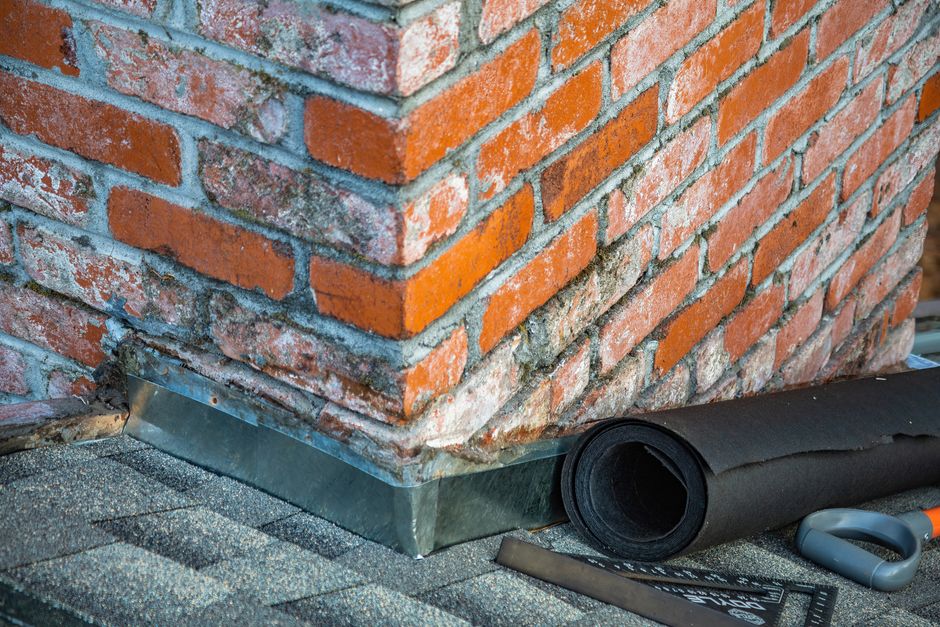
Flashing is installed where water is most likely to enter: around chimneys, sidewalls, valleys, skylights, vents, dormers, and changes in roof direction. These areas deserve close attention during any repair.
A roof may appear to have intact shingles while the flashing has rusted, separated, bent, or been installed incorrectly. Covering failed flashing with shingles or sealant generally postpones the problem rather than correcting it.
Chimneys and older homes deserve particular care because masonry joints, metal flashing, and roof intersections can all deteriorate at different rates. Water entering around a chimney may show up in an attic or ceiling well away from the actual opening.
Mistake 5: Creating new problems with improper fasteners
Roofing fasteners must be the correct type, length, placement, and corrosion resistance for the roofing material and roof assembly. Nails driven too high, too low, at an angle, or through the wrong part of a shingle can allow water to enter.
Overdriven fasteners can cut through shingles. Underdriven fasteners may leave materials loose. Reusing ordinary household screws or unsuitable nails can create rust, movement, or penetrations that are difficult to see from the ground.
Fastener problems are especially concerning after high winds. A repair that looks secure immediately may loosen during the next freeze-thaw cycle or storm.
Mistake 6: Working on a wet, icy, or snow-covered roof
Roof work becomes more dangerous and less reliable when surfaces are wet, frozen, or covered with snow. Shingles can be slippery and brittle in cold weather, while hidden ice can make footing unpredictable.
Snow should not be chopped off with sharp tools because the roofing surface may be damaged. Aggressive scraping can remove protective granules, crack shingles, or harm flashing. Excessive snow and ice can also place additional weight on the roof structure.
New York homes may experience periods of snow followed by rain and refreezing. Those conditions can produce ice dams, which allow meltwater to back up beneath roofing materials. If water is actively entering the home, safety takes priority over climbing onto the roof. Interior containers, protective coverings, photographs, and temporary measures from a safe location can limit damage until conditions improve.
Mistake 7: Treating ice dams as only a gutter problem
Gutters can contribute to drainage problems, but ice dams usually involve heat loss, roof temperature differences, snow cover, insulation, air leakage, and ventilation.
An ice dam forms when warmer areas of the roof melt snow while colder eaves allow the water to refreeze. The resulting ice can obstruct drainage and force water beneath roofing materials.
Removing the visible ice without addressing attic heat loss may provide only short-lived relief. Better long-term prevention may involve:
- Sealing air leaks between the living space and attic
- Improving insulation where appropriate
- Maintaining balanced roof ventilation
- Keeping gutters and downspouts clear
- Reviewing roof design around valleys, dormers, and overhangs
Adding random vents or blocking existing ventilation can worsen moisture and temperature problems. Roof ventilation changes should be considered as part of the entire attic assembly, not as an isolated patch.
Mistake 8: Replacing roofing without checking the decking
Shingles cannot perform properly if the wood decking beneath them is soft, wet, delaminated, or structurally weak. Covering damaged decking can trap moisture and leave a weak base for new roofing materials.
A small leak that has continued through multiple seasons may damage more than the visible interior finish. Insulation can remain damp, wood can decay, and mold may develop in areas with persistent moisture.
During repair work, deteriorated decking should be identified and addressed before the roof covering is closed up. Simply installing new shingles over compromised wood may make the roof look new while leaving the underlying problem in place.
Mistake 9: Failing to document storm damage
After wind, hail, fallen branches, or heavy snow, photographs can help establish what changed and when. Images of the roof from the ground, damaged shingles, fallen debris, interior stains, and wet materials are useful records.
Avoid disturbing damaged areas more than necessary before documenting them. Temporary protection may be needed to reduce additional water entry, but permanent alterations can make it harder to understand the original condition.
Maintenance-related deterioration and sudden storm damage are not always treated the same way under insurance policies. Clear records help separate those conditions and support an accurate review.
Mistake 10: Assuming a roof repair is finished when the interior looks dry
A ceiling may stop showing new moisture while insulation, decking, framing, or drywall remains damp. Some materials take time to dry, especially in enclosed attic spaces.
After a repair, check for:
- Continuing stains or discoloration
- Damp insulation
- Musty odors
- Soft or swollen drywall
- Peeling paint
- Rusted fasteners
- Condensation on the underside of the roof deck
A repaired leak should be monitored through later rainfall and temperature changes. In Castleton On Hudson, freeze-thaw weather can reveal weaknesses that are not obvious during a dry inspection.
Roof repair is most dependable when it addresses the water path, the damaged material, and the conditions that caused the failure. A careful repair does not merely cover the symptom; it restores drainage, protects vulnerable roof intersections, and considers how the roof and attic will perform through the next season.
